For the music critic John Rockwell, Soho was an ideal home base. He could walk to see performances by Meredith Monk or Steve Reich in lofts that didn’t look so different from the one he lived in at 543 Broadway. A Philip Glass concert, on Wooster Street in 1973, seemed, in Rockwell’s words, to be almost designed for the neighborhood to hear while strolling past, with its “motoric rhythms, burbling, highly amplified figurations and mournful sustained notes booming out through the huge black windows.” Later, in 1988, Rockwell interviewed Robert Wilson and David Byrne from the latter’s kitchen table — also in Soho.
Rockwell covered music, dance, theater, film, books, and art for the New York Times, eventually running the “Arts & Leisure” section and serving as the paper’s cultural correspondent in Europe. He also hosted a WNYC show on culture (Rockwell Matters), oversaw the Lincoln Center Festival, and wrote books — a career in the arts that largely unfolded while he lived at No. 543. The ten-story, 1903 industrial building stretches all the way back to Mercer and was overtaken by artists in the 1970s. Gale Ormiston ran a dance company at 543; dancer Luise Wykell invited the public to an “evening of energy exploration” in 1981; and Gaetano Pesce named a whimsical chair after his home address.
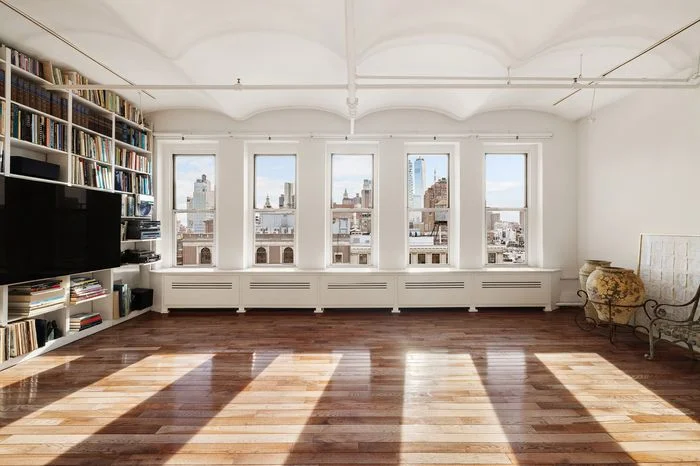
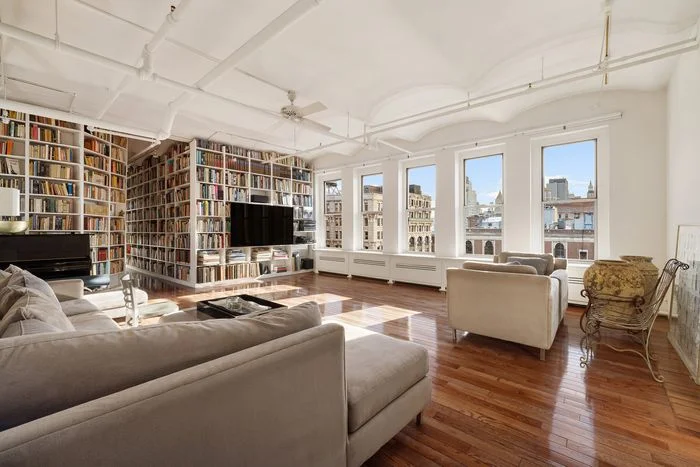
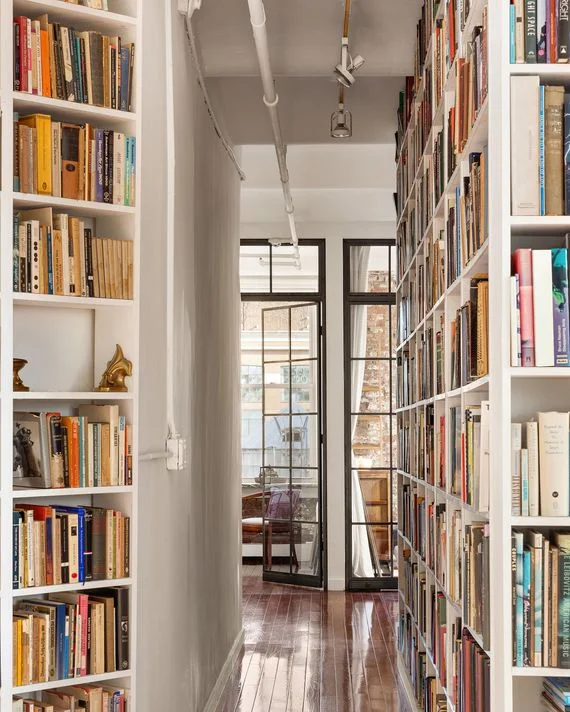
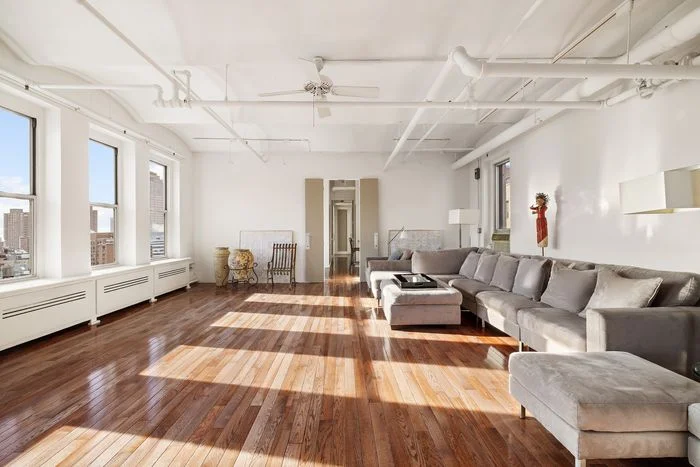
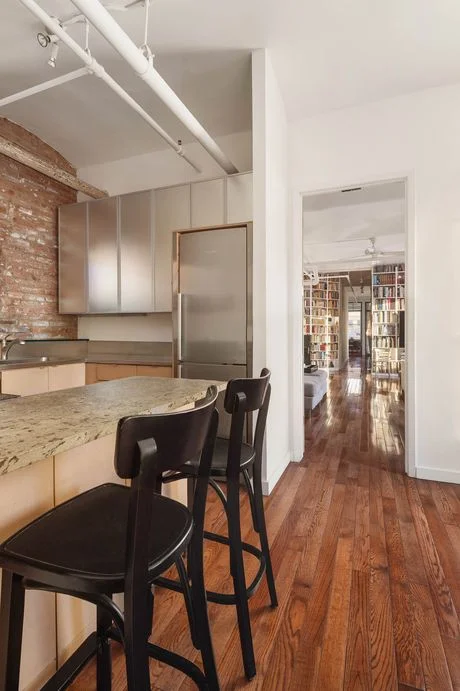
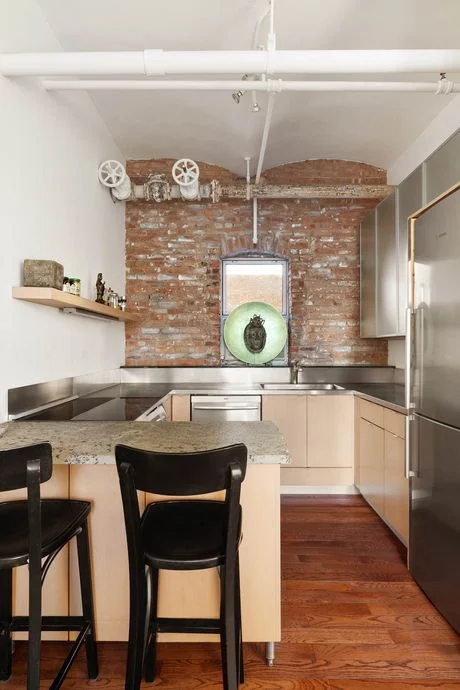
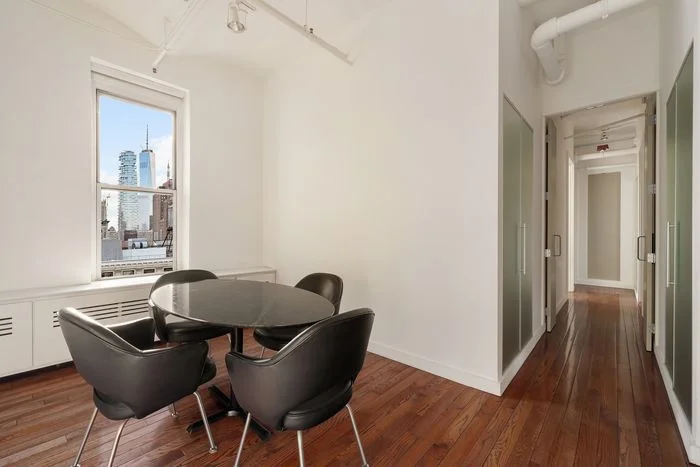
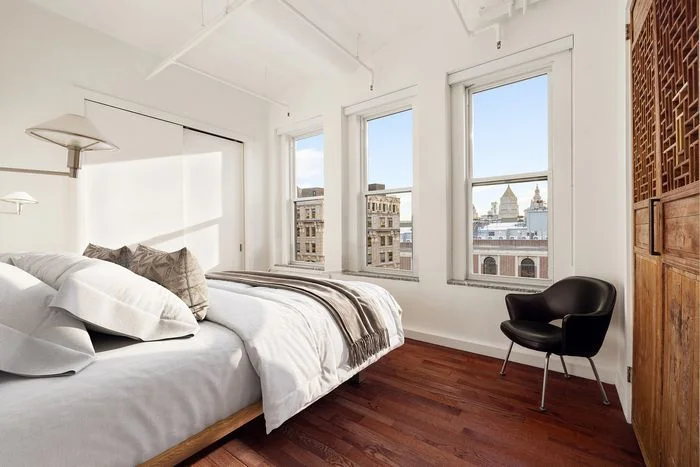
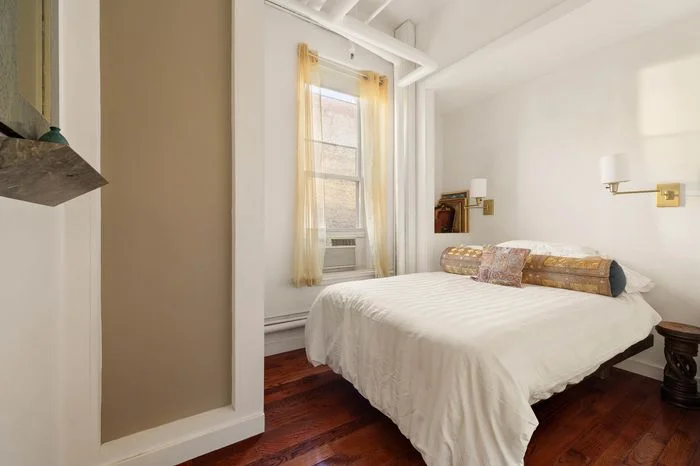
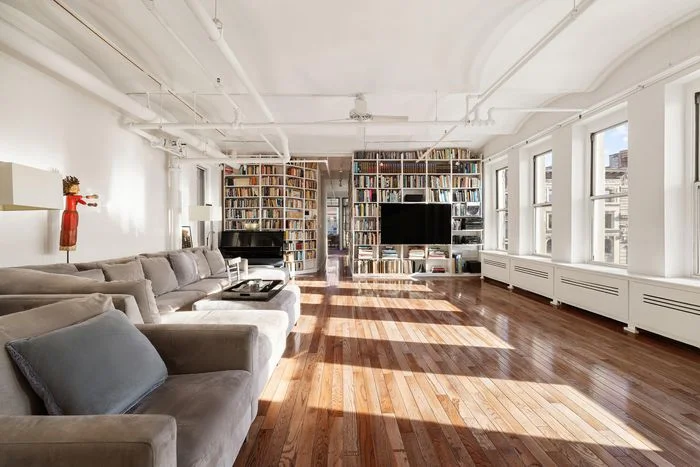
Rockwell and his filmmaker wife, Linda Mevorach, moved to the top-floor apartment in 1978, according to their broker, Gavin Shiminski, who listed the space for $4.5 million this week. The price accounts for a rarity in Soho: 22 windows across three exposures, with endless views, thanks to how the ten-floor building sticks out of the historic neighborhood. Other charms include exposed brick, high-barrel vaulted ceilings, old hardwood, and built-ins that stretch along a hall off the main, open living area.
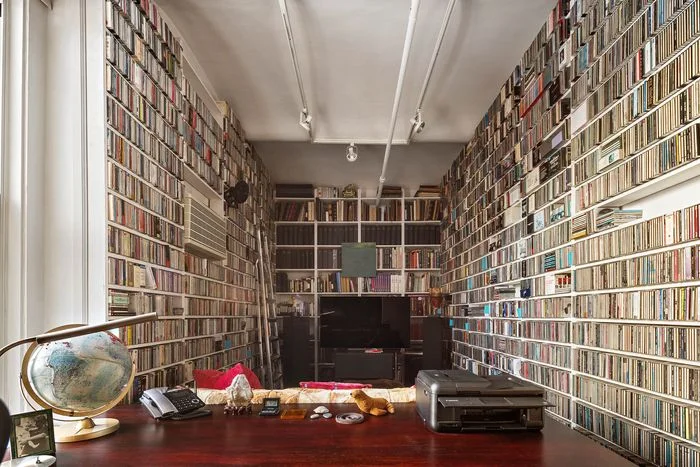
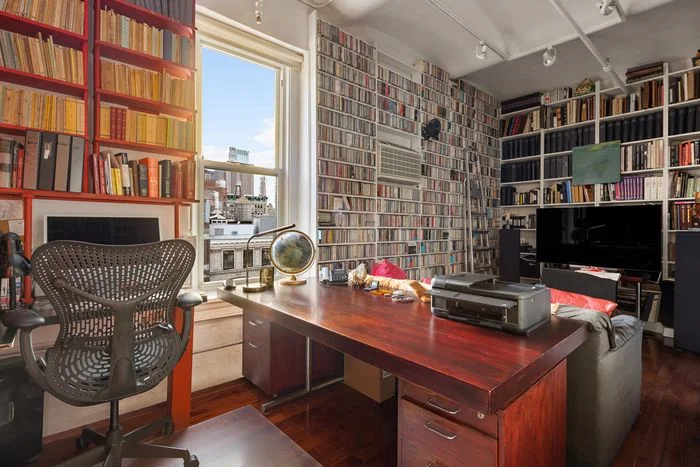
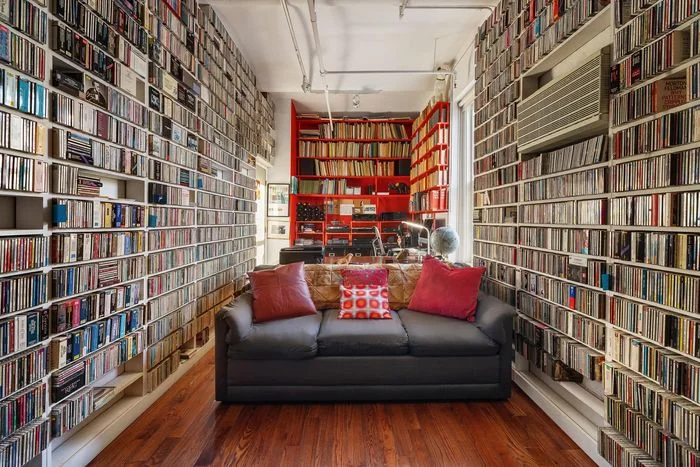
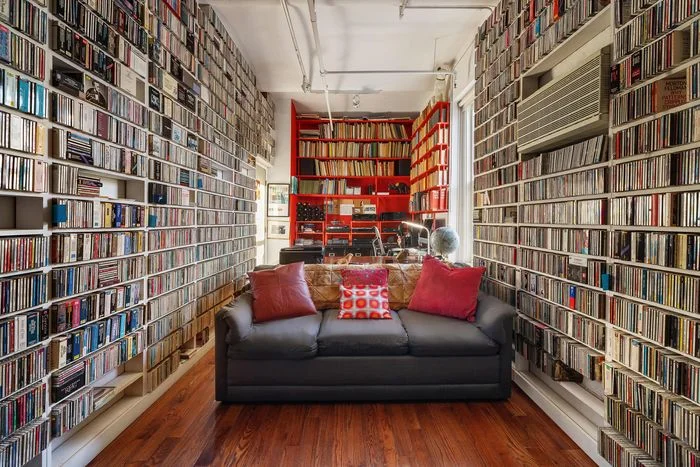
But the standout might not be the selling point. Listing photos include images of Rockwell’s inner sanctum, lined floor to ceiling with special shelving to fit the CDs, tapes, and records that he listened to as a critic. That space is soundproofed, Shiminski says, “so he can really listen to his music and do his thing.”